
Lanier Flight Center > Instrument Rating
Instrument Rating
TAKE YOUR FLYING TO THE NEXT LEVEL
A Private Pilot Certificate gives you the freedom to fly, but weather can still place significant limitations on when and where you can go. An Instrument Rating is the next major step in your aviation journey, giving you the training and skills to safely operate an airplane by reference to instruments when conditions prevent you from maintaining visual reference with the ground.
An Instrument Rating allows qualified pilots to operate under Instrument Flight Rules (IFR) and provides the skills necessary to safely navigate through changing weather, clouds, reduced visibility, and challenging conditions. Whether you’re flying a short trip across Georgia or planning longer cross-country flights, instrument training gives you the knowledge, precision, and confidence to make better decisions when weather conditions change.
FAA INSTRUMENT RATING REQUIREMENTS
Under 14 CFR §61.65, applicants for an instrument-airplane rating must meet specific aeronautical experience and training requirements. These include:
- At least 50 hours of cross-country flight time as pilot in command, including the required airplane experience.
- At least 40 hours of actual or simulated instrument time, including the areas of operation required by the FAA.
- At least 15 hours of instrument training from an authorized instructor who holds the appropriate instrument-airplane rating.
- At least 3 hours of instrument flight training within the two calendar months preceding the practical test.
- Completion of an instrument cross-country flight under IFR with an authorized instructor, including the required navigation and instrument approach experience.
- Successful completion of the FAA Instrument Rating Knowledge Test and Practical Test.
The FAA’s current Instrument Rating Airplane Airman Certification Standards define the knowledge and practical skills applicants must demonstrate during training and testing.
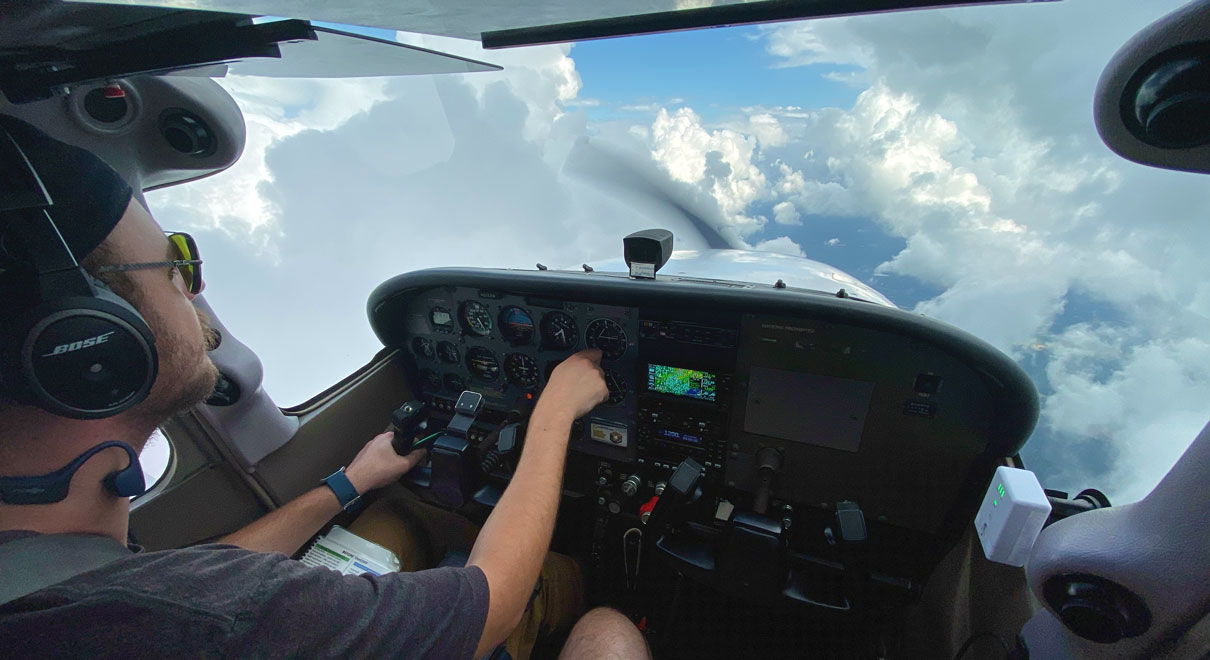
TRAIN IN THE AIRCRAFT THAT FITS YOUR GOALS
At Lanier Flight Center, you aren’t limited to completing your instrument training in just one aircraft. Our instrument training can be accomplished in our fixed-wing, single-engine training fleet, allowing you to train in the aircraft that best fits your goals and experience.
Depending on aircraft eligibility and availability, students can train in aircraft ranging from our Pipistrel Alpha trainers to our Cessna 172SP equipped with the Garmin G1000 NXi.
Training across our fleet gives you the opportunity to experience different aircraft characteristics, cockpit configurations, and avionics while developing the fundamental instrument skills that transfer from one airplane to another.
PREPARE FOR REAL-WORLD FLYING
Instrument training isn’t simply about learning to fly while looking at instruments. You’ll learn how to manage the airplane, navigate, communicate with ATC, interpret weather, fly instrument approaches, manage workload, and make sound decisions when conditions aren’t ideal.
Our experienced instructors will guide you through the entire process — from your first instrument lesson to your FAA checkride — using a structured training program designed to build your skills and confidence along the way.
Ready to take your flying beyond clear skies? Contact Lanier Flight Center today and start working toward your Instrument Rating.
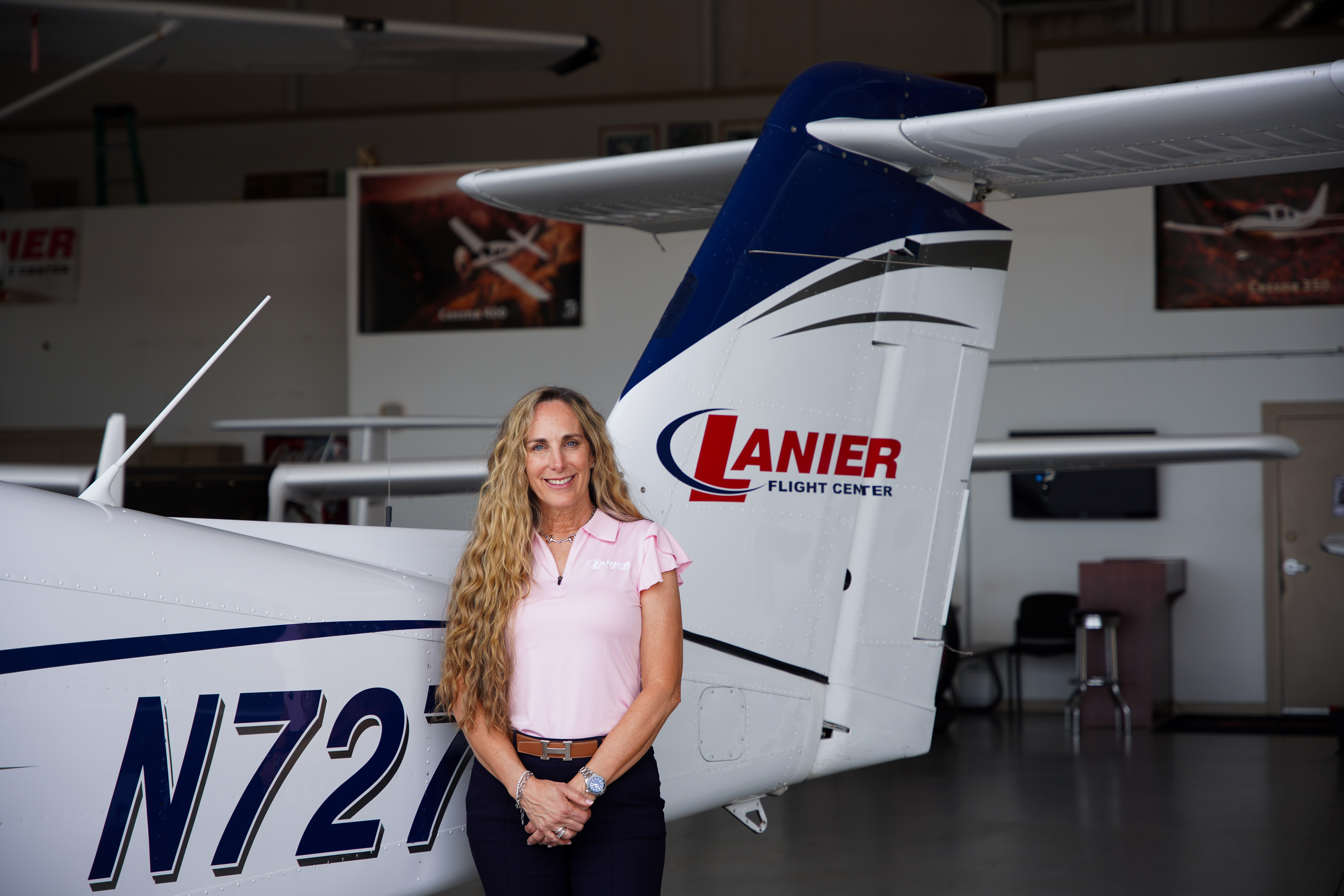
Laurie Verhoven
Student Coordinator and Enrollment
Speak With Student Enrollment
Ready to take the first step toward your Instrument Certificate? Our Student Enrollment Coordinator, Laurie Verhoven, is available to guide you through the process.
Laurie can assist with program details, scheduling, pricing, financing options, and next steps to begin training. Whether you are exploring aviation for the first time or ready to enroll, she will ensure you have clear direction and a seamless start to your flight training journey.
Contact Laurie today to begin your path to becoming a pilot.